.png)
Surrealistic Sounds The Legacy of Jefferson Airplane in Psychedelic Rock
Surrealistic Sounds: The Legacy of Jefferson Airplane in Psychedelic Rock
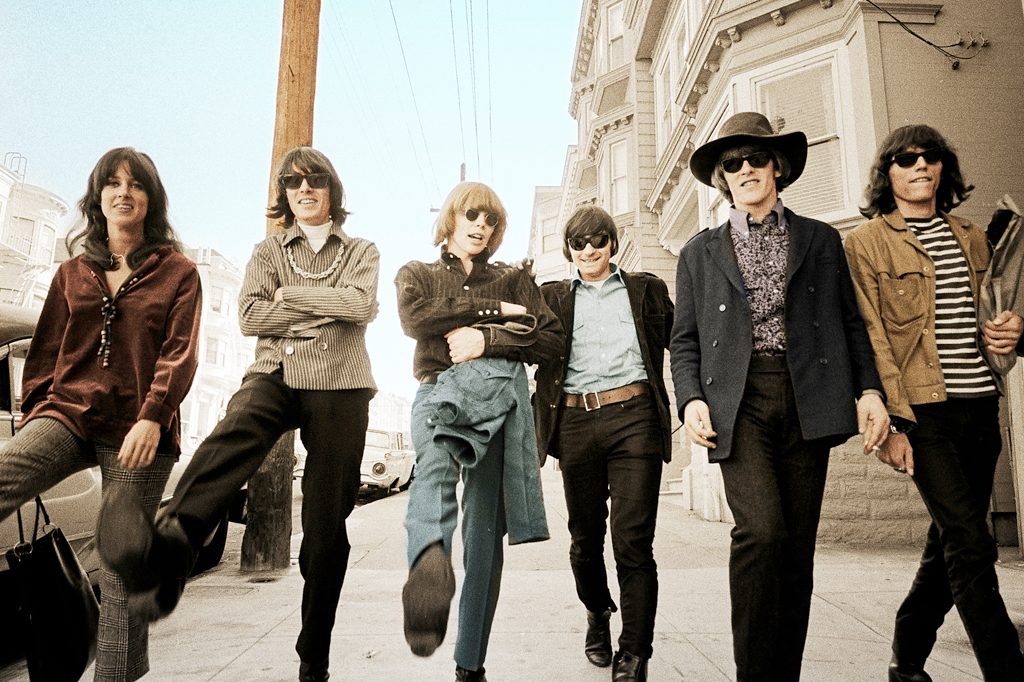
In the vibrant tapestry of the 1960s music scene, few bands encapsulated the spirit of the counterculture movement quite like Jefferson Airplane. Emerging from the San Francisco Bay Area, they were pioneers of psychedelic rock, a genre characterized by its innovative soundscapes and introspective lyrics. With an eclectic mix of folk, rock, and blues influences, Jefferson Airplane pushed the boundaries of music and embraced the ethos of the era, creating a legacy that continues to resonate with listeners today.
Innovative Soundscapes and Groundbreaking Music
Jefferson Airplane's approach to music was revolutionary. Their sound was a mesmerizing blend of soaring vocal harmonies, intricate guitar work, and distinctive use of instruments like the sitar and the electric guitar. The band's most notable album, "Surrealistic Pillow," released in 1967, features iconic tracks such as "Somebody to Love" and "White Rabbit." These songs not only captured the essence of the psychedelic experience but also showcased the band's ability to experiment with musical forms and lyrical depth. The latter track, in particular, illustrates lyrical surrealism through its references to Lewis Carroll's works, encouraging listeners to explore their own interpretations and experiences.
The Visual and Cultural Impact
Beyond their music, Jefferson Airplane became synonymous with the visual art and culture of the 1960s. The band was a significant presence at the legendary Monterey Pop Festival in 1967, which marked a watershed moment in rock history. Their performance contributed to the proliferation of the psychedelic aesthetic—incorporating vibrant colors, abstract imagery, and themes of love and liberation. The impact of their visual style extended to album covers and promotional materials, with artwork that often featured surreal and dreamlike elements, further enhancing their connection to the psychedelic movement.
The Band's Evolution and Influence
Throughout their career, Jefferson Airplane underwent numerous transformations in both personnel and musical style. Core members Grace Slick, Marty Balin, and Paul Kantner became icons in their own right, as they pushed the band to explore new musical territories. As the 1960s gave way to the early 1970s, the group evolved into Jefferson Starship, marking a shift towards a more mainstream rock sound while still retaining the essence of their psychedelic roots. This transition showcases the band's resilience and adaptability, allowing them to reach new audiences and influence generations of musicians across various genres.
Enduring Legacy in Psychedelic Rock
Today, Jefferson Airplane's legacy lives on as a cornerstone of psychedelic rock. Their ability to blend complex musical arrangements with thought-provoking lyrics has influenced countless artists and continues to inspire new waves of creativity. The band's theme of self-exploration and their engagement with the zeitgeist of the 1960s resonate with contemporary issues, making their music timeless. As more and more artists draw on the psychedelic aesthetic to craft their sounds, it is clear that Jefferson Airplane's impact is still felt in the world of music, serving as a reminder of the power of artistic expression and the search for deeper meaning through sound.


